What is Probability?
How likely something is to happen.
Definition:
The probability of an event is the measure of the chance that the event will occur as a result of an experiment. The probability of an event A is the number of ways event A can occur divided by the total number of possible outcomes.
Tossing a coin
When a coin is tossed, there are two possible outcomes:
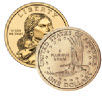 We say that the probability of the coin landing H is 1/2.
And the probability of the coin landing T is 1/2.
 Throwing a dice
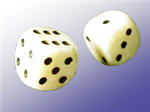
When a single die is thrown, there are six possible outcomes: 1,2,3,4,5,6.
The probability of any one of them is 1/6.
In general probability
How likely something is to happen.
Definition:
The probability of an event is the measure of the chance that the event will occur as a result of an experiment. The probability of an event A is the number of ways event A can occur divided by the total number of possible outcomes.
Tossing a coin
When a coin is tossed, there are two possible outcomes:
- Head (H) or
- Tails (T)
We say that the probability of the coin landing H is 1/2.And the probability of the coin landing T is 1/2.
Throwing a diceWhen a single die is thrown, there are six possible outcomes: 1,2,3,4,5,6.
The probability of any one of them is 1/6.
In general probability
Probability of an event happening=Number of ways it can happenTotal number of outcomes
Example 1:
|
A spinner has 4 equal sectors colored yellow, blue, green and red. After spinning the spinner, what is the probability of landing on each color?
|  |  | ||||||||||||||||||||||||||||||||||||||||||||||||||||||||||||||||||||||||||||||||||||||||||||||||||||||||||||||||||||||||||||||||||||||||||||||||||||||||||||||||||||||||||||||||||||||||||
Outcomes:
|
The possible outcomes of this experiment are yellow, blue, green, and red.
| ||||||||||||||||||||||||||||||||||||||||||||||||||||||||||||||||||||||||||||||||||||||||||||||||||||||||||||||||||||||||||||||||||||||||||||||||||||||||||||||||||||||||||||||||||||||||||||
Probabilities:
|
-EXERCISE-
!GOOD LUCK!
Question 1:
A dice is thrown once. What is the probability that the score is a factor 6?
a) 1/6
b) 1/2
c) 2/3
d) 1
Question 2:
The diagram shows a spinner made up of a piece of card in the shape of a regular pentagon, with a toothpick pushed through its center. The five triangles are numbered from 1 to 5.
The spinner is spun until it lands on one of five edges of the pentagon. What is the probability that the number it lands on is odd?
a) 1/5
b) 2/5
c) 1/2
d) 3/5
Question 3:
A card is chosen at random from a deck of 52 playing cards.
There are 4 Queens and 4 Kings in a deck of playing cards.
What is the probability the card chosen is a Queen or a King?
a) 1/13
b) 2/13
c) 1/8
d) 2/11
| ||||||||||||||||||||||||||||||||||||||||||||||||||||||||||||||||||||||||||||||||||||||||||||||||||||||||||||||||||||||||||||||||||||||||||||||||||||||||||||||||||||||||||||||||||||||||||||
![[IMAGE]](https://lh3.googleusercontent.com/blogger_img_proxy/AEn0k_uMKzSVoC5firpNifU017Pk9Zp8Pa75525J62GC9CRXaLGyTbXk7QkwNHb8ZviUxJa7wnV2xb0QVxLD72fgewOOrQIOGI0XqAlpmhA_4rdAQKZmkEaYhNtIUoXuUf39vpDE=s0-d)

Hello Fathiah, this notes make me easy to learn maths, its very simple and easy to understand, i wish you keep more update and add some new trick to learn maths :)
ReplyDelete